
The Museum Without Walls: How Cultural Walking Tours Change the Way You See a City
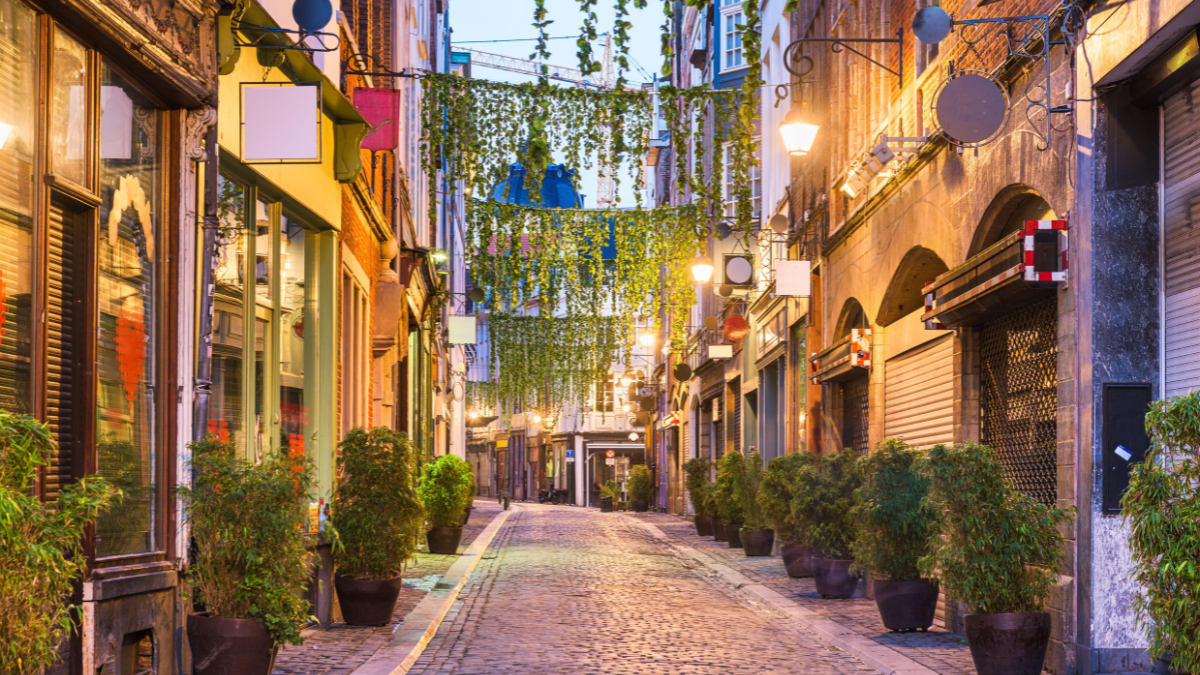
The city has always been the museum. The streets, the facades, the light falling at a particular hour, all of it is telling a story. Most travelers just don’t know how to read it yet.
We have all stood in a crowded gallery, peering over shoulders to catch a glimpse of something famous. We listen to the audio guide, tick the box, and move on. But art was never meant to be confined to a frame. And culture doesn’t live inside a glass case.
The most vibrant masterpiece in any destination is the city itself. It is the Baroque facade on a side street in Rome. The street art mural in Berlin that tells the story of the Cold War. And the way the light hits the stones of Cusco at sunset. These are not backdrops. They are the exhibition.
In 2026, the cultural walking tour has evolved from a dry history lecture into something far more alive. It is no longer about memorizing dates. It is about learning to decode a destination and read the streets like a book.
The Scholar-Guide: When Curiosity Becomes the Guide
The biggest shift in cultural travel is the rise of what I call the Scholar-Guide.
For years, tour guides were often employees reciting a script. Today, the best operators, specifically those curating small group experiences, are hiring historians, architects, archaeologists, and locals whose families have lived in these places for generations. People with genuine credentials and genuine passion for what they know.
Walk through the Roman Forum with an archaeologist and you are not looking at ruins. You are reconstructing an empire. Explore the Art Deco district of Mumbai with a local architect and you are not just seeing buildings. You are understanding the social fabric of a city that was reinventing itself.
This level of expertise transforms a walk into something you didn’t expect: an experience that feeds your curiosity in a way no guidebook ever could. You leave not just having seen a place, but understanding it.
Three Ways to Walk: Finding Your Flavor
Just like culinary or nature travel, cultural walking has its own distinct styles. Knowing which one speaks to you will help you choose the right experience.
The Open Air Museum: Architecture & Street Art
This is for the traveler who believes architecture is the highest form of storytelling. These walks treat the city itself as the gallery, from the Modernista masterpieces of Barcelona to the Georgian crescents of Bath to the painted building facades of Bo-Kaap in Cape Town. You learn to look up. You discover why a building was built, who paid for it, and what it reveals about the people who lived there.
The Hidden History Walk
History is often written by the victors, but the streets remember everything. These tours surface the stories that didn’t make it into the textbooks, the Jewish Ghettos of Europe, the Civil Rights trails of the American South, the indigenous histories that exist beneath the surface of modern cities. The experience is emotional and immersive. It connects you to the human struggle and triumph behind the monuments in a way that a placard on a museum wall simply cannot.
The Artisan Connection
Culture is a living thing, and these walks take you to the people keeping it alive. The mask makers in Venice. The weavers in Peru. The indigo dyers in Kyoto. This style of walking moves beyond sightseeing into something more personal, meeting the hands behind the tradition, and ensuring that your presence in a place actually supports it.
Why Context Changes Everything
Here is the quiet truth about travel: the problem is rarely a lack of sights. It is a lack of context.
Without a guide, a crumbling wall is just a pile of old stones. With one, it becomes the remnant of a medieval fortification that held an entire city against invasion. That shift, from object to story, is what transforms a trip into something you carry with you long after you land back home.
Walking is the ideal pace for this kind of understanding. Slow enough to notice. Present enough to connect. You begin to see how the geography shaped the architecture, how the architecture shaped the culture, and how the culture shaped the people you are now sharing a street with. You stop collecting sights and start collecting understanding.
That is the difference between tourism and travel.
Choosing the Right Guide
If you are the kind of traveler who wants to leave a destination understanding it more deeply than when you arrived, the operator you choose matters enormously. Small groups, so you can actually hear the expert. Guides with genuine credentials. Itineraries built around curiosity rather than efficiency.
The 2026 Guide to Walking Tour Operators features a curated roster of companies that excel in exactly this depth. From scholar-led city walks to immersive cultural journeys, these are the partners who treat travel as an art form.
