
The Art of the Walking Tour: Why 3 MPH is the Best Way to Travel
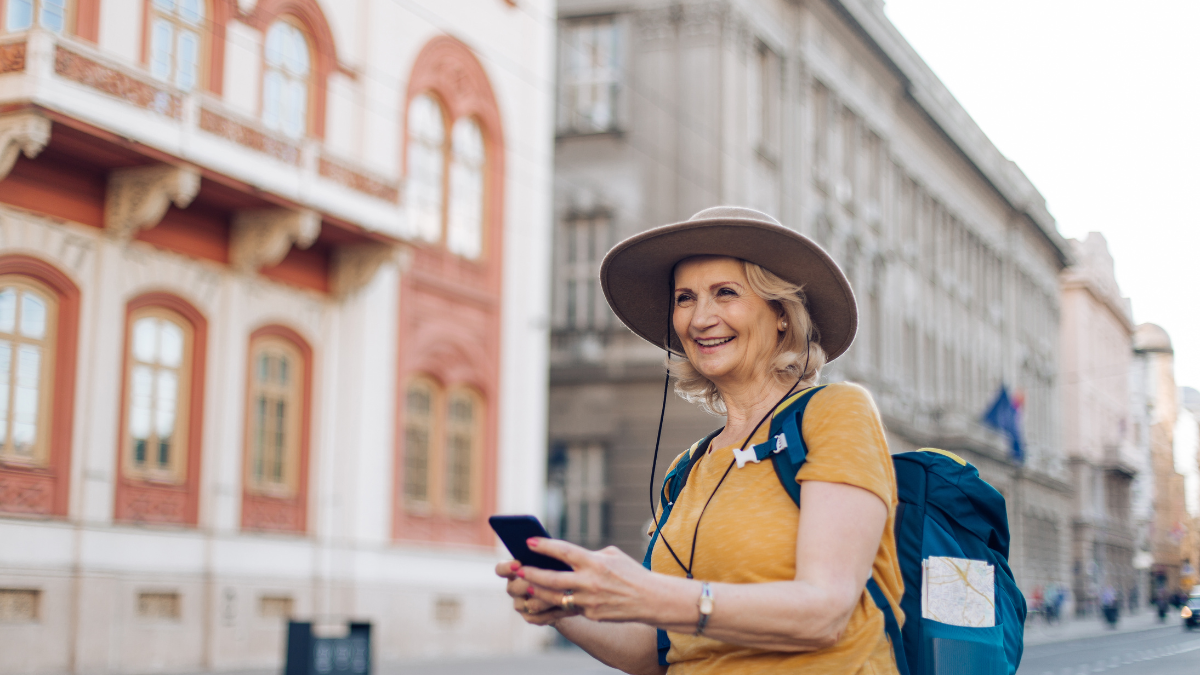
There is a specific geometry to travel. In a car or a bus, you move through a landscape. The world is a screen, a blur of green and gray that passes you by. But when you step out of the vehicle and put your feet on the ground, the geometry changes. You are no longer moving through the place; you are moving with it.
For decades, the travel industry treated “walking” as a niche activity for the backpacker set—something defined by blisters, heavy packs, and freeze-dried meals. But as we move into 2026, a quiet revolution has taken place. The “Walking Tour” has shed its rough edges and emerged as the most sophisticated way to see the world.
It is no longer about endurance; it is about immersion. It is the antidote to the “blur” of modern tourism. And for travelers over 50—who are increasingly prioritizing “connection” over “sightseeing”—it is becoming the default way to travel.
Here is why this is the year to leave the tour bus behind, and how to find the path that fits your pace.
The New Definition of “On Foot”
If you still associate walking tours with following a raised umbrella through a crowded plaza, you are looking at an outdated map. The modern industry has fractured into three distinct tiers, each catering to a different level of activity and comfort.
- The Cultural Stroll (Urban & Thematic) These are the “micro-adventures” that crack open a city’s shell. Usually lasting two to four hours, they ditch the general history lecture for deep dives into specific themes—culinary history in Bologna, street art in Berlin, or architecture in Chicago. They are the perfect entry point for those who want to find the local rhythm without committing to a full-day excursion.
- The Scenic Ramble (Soft Adventure) This is the “sweet spot” of the 2026 market. Known in the industry as “Soft Adventure,” this category now accounts for approximately 65% of the adventure tourism sector. The formula is simple: active days, luxurious nights. You might spend six hours walking the coastal paths of Portugal or the forest trails of Japan, but your luggage is transported for you, and your day ends with a hot shower and a glass of wine at a boutique hotel. It bridges the gap between the physical engagement of a hike and the comfort of a vacation.
- The Point-to-Point Expedition For those seeking a total disconnect, the traditional long-distance trek remains the gold standard. Routes like the Camino de Santiago in Spain or the W Trek in Patagonia are transformative, multi-day commitments. But even here, the industry has evolved. “Slackpacking”—the service of having your heavy gear moved from town to town—has become the norm, allowing you to focus entirely on the experience rather than the weight on your back.
Why Now? The Trends Driving Us Outdoors
The data for 2026 reveals a traveler who is smarter, slower, and more intentional. Three major trends are pushing us toward walking:
- The “Cool-cation” Shift: As summer temperatures in traditional vacation hotspots continue to break records, travelers are migrating north. Walking tours in Scotland, Scandinavia, and the Canadian Rockies are seeing a massive surge in bookings. It is a practical choice—escaping the heat—but also an aesthetic one, trading the crowded beach for the crisp air of a northern trail.
- Slow Travel & Immersion: We are done with “touch-and-go” tourism. The biggest trend of 2026 is “Slow Travel”—staying longer in one region to understand its story. Walking is the ultimate expression of this. You cannot rush a walk. It forces you to slow down enough to smell the jasmine over a garden wall or hear the dialect of a local shopkeeper.
- The Solo-Together Dynamic: For women over 50, walking tours have solved the paradox of solo travel. They offer the independence of a solo trip with the built-in safety and companionship of a small group. You walk at your own pace, but you never eat dinner alone.
Taking the First Step
The beauty of this travel style is its accessibility. You do not need to be an athlete to participate; you just need to be curious. Whether you choose a two-hour food tour in Paris or a seven-day trek in the Alps, the reward is the same: the feeling of having actually been somewhere, rather than just having seen it.
If you are ready to find your own pace, the 2026 Guide to Walking Tour Operators is now available.
With hundreds of operators offering trips globally, most women don’t know where to start. The 2026 Guide to Walking Tour Operators gives you that starting point. Inside, you will find 40+ operators curated based on reputation and reviews, and organized by company type—so you can quickly identify the partners that align with your personal travel style.
It is the essential tool for finding a partner who understands the pacing, safety, and service levels that make for a dream trip.
