
What if I’m too old? (And Other Lies Fear Tells Us About Why We Can’t Explore Beyond 50)
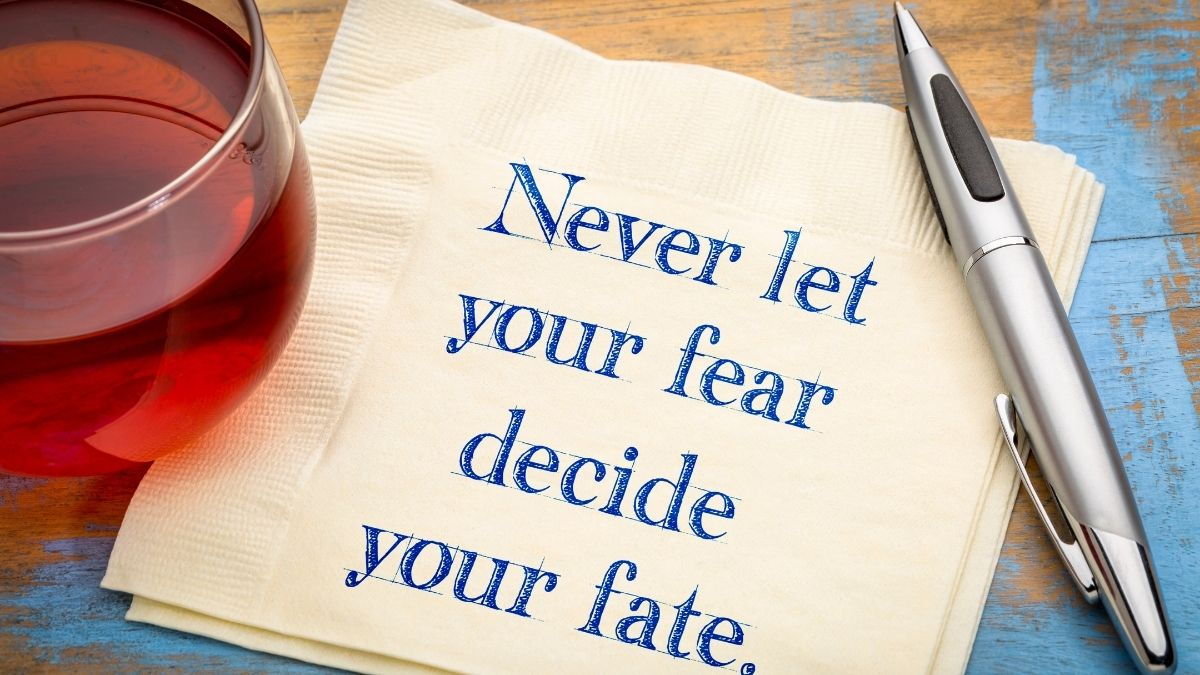
Action creates confidence, confidence creates momentum, and momentum creates the life you’re dreaming about. But so many of us get stuck in the same place—listening to that voice that says “I’m too old for this,” “I’m not fit enough,” “I missed my chance,” or “what will people think?”
So what does it take to quiet that voice, which is fear speaking, so you can take action on your dreams? We have to learn to act despite the fear. Overcoming fear isn’t about waiting until you feel brave. It’s about having some strategies you can count on when that voice in your head tries to hold you back.
Here are some things that have helped me overcome my fear and I hope they can help you too.
1. Accept that fear will always be there
Something powerful happens when you stop fighting the fear and just expect it instead. When you’re about to sign up for that hiking group, book that solo trip, or show up to your first meetup? Plan on feeling afraid. There’s nothing wrong with you. It’s completely normal.
You can be proactive about managing it though. One thing that really helps me is using a physiological sigh, which I learned about from Dr. Andrew Huberman. It’s one of the fastest ways to calm down and lower stress in the moment. Here’s how to do it. Take a big, deep inhale through your nose, then a second inhale through your nose to fully inflate your lungs, followed by a long, slow exhale through your mouth until your lungs are empty. That’s it. This simple breathing pattern takes just seconds and quickly restores balance in your nervous system. Have this tool ready before you need it. (Below is a video from Dr. Huberman showing an example and providing more information. )
2. Give yourself a time limit to recover from setbacks, then get back out there
Rejection and setbacks are part of exploring new territory. The guide you wanted to hike with is booked. The group feels cliquey. You couldn’t complete the trail you planned. The question isn’t whether you’ll face disappointment. It’s how quickly you’ll bounce back.
When you’re facing a setback, give yourself a time limit for processing the disappointment, frustration, hurt, etc. For small setbacks (a trail you couldn’t complete, a group that didn’t feel right), maybe give yourself a day or even half a day. For bigger life challenges, you might need more time—and that’s completely okay.
The goal isn’t to skip the feelings—it’s to feel them fully, then intentionally choose to move forward. You want to process them without rushing yourself, but also without letting yourself stay there so long that disappointment turns into a story about why you can’t do this.
At first, you might need three days to process even small setbacks. As you practice this, you’ll naturally shorten the time. And here’s what’s important: the feelings might come back, and that’s normal. When they do, acknowledge them, set another time limit, and take another step forward.
3. Surround yourself with other women facing the same challenges for mutual support
Overcoming fear is easier when you’re surrounded by people doing the same thing. You can borrow courage from the group. You have cheerleaders. You have people willing to look just as silly as you are, to laugh with you, to cry with you.
When we share our fears out loud, something powerful happens—we realize we aren’t alone. And knowing that helps the fear lose its grip.
In communities like ours, women share how intimidating it feels to try something new, and in that sharing, the fear becomes less scary. We encourage each other to sign up for that class or book that trip anyway. We celebrate the small wins and normalize the setbacks. We remind each other that expressing fear doesn’t mean giving up. It means being honest about what’s hard so we can keep moving forward together.
4. If something makes you nervous, you’re probably on the right path
Fear and excitement often produce the exact same physical sensations. That nervous energy you feel before your first group hike, solo travel adventure, or trying snowshoeing for the first time? It’s likely a sign you’re moving in the right direction.
Growth happens in unfamiliar territory. Our brains get nervous when we’re entering the unknown, which is exactly where breakthrough experiences live. The adventure you think might be “too much” for you? It’s probably exactly what you need to try.
If something feels genuinely dangerous or wrong for your body, absolutely listen to that instinct. But if you’re just nervous about looking foolish, being the oldest person there, or not being good enough? That’s your cue to lean in.
5. Start before you feel ready and use the experience to build confidence
So many of us spend months or years waiting to be “ready” before trying something new. We wait until we lose weight, get in better shape, have more time, or feel more confident. Then we finally take action and discover… we were ready all along. Or we realize the thing we were worried about doesn’t actually matter.
The fastest way to build momentum is to start small and learn as you go. Take the microadventure before the big trip. Join one meetup before committing to the whole series. Try the beginner hike before planning the multi-day trek.
Your first adventure might not be the one you fall in love with. To discover what truly lights you up at this stage of life, you need real-world experience, not assumptions about what you might enjoy or whether you can handle it.
Here’s the truth: if you wait until you feel completely ready, you’ve waited too long. A little nervousness means you’re prioritizing growth over comfort, and that’s exactly where the magic happens.
The Bottom Line
These strategies work because they acknowledge something real: exploring at 50+ isn’t about eliminating fear and uncertainty. It’s about acting in spite of it.
This chapter of your life can absolutely be your best one yet. But only if you’re willing to move from “can I?” to “yes I can.”
The difference is just one small action, taken despite the fear. And then another. And another after that.
