
Am I Too Old to Trek?
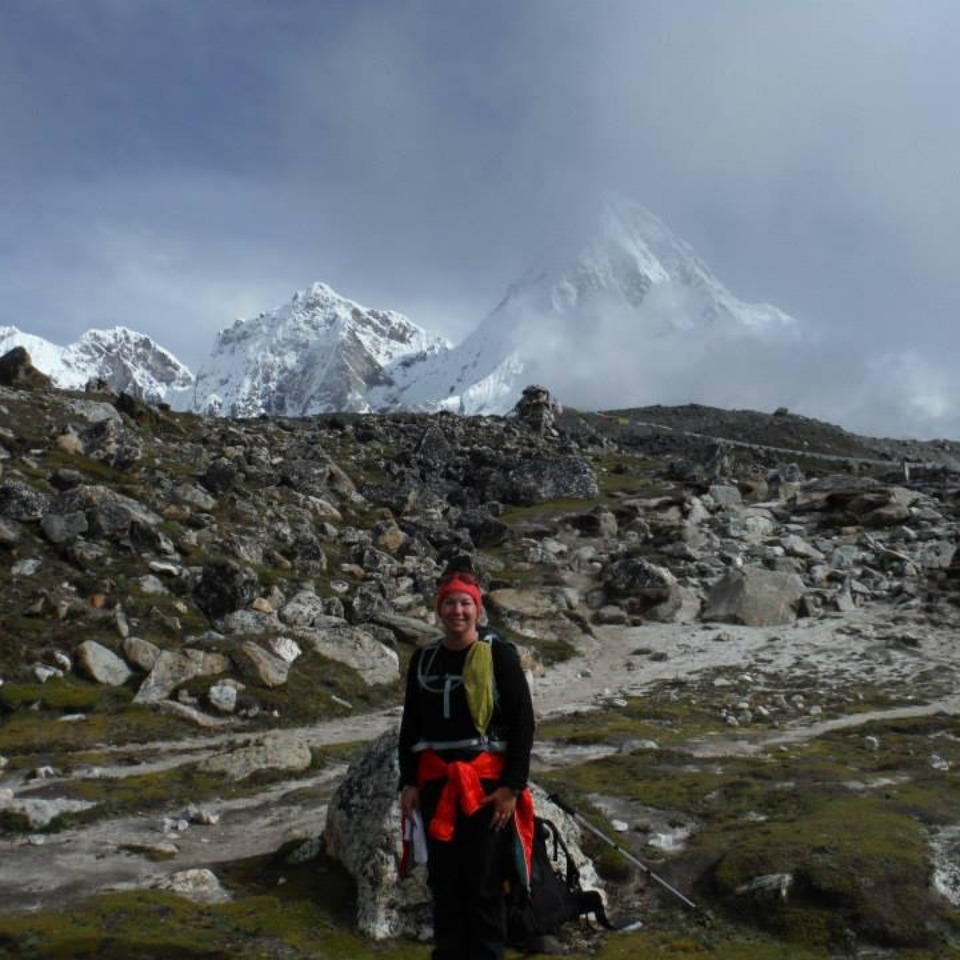
Have you ever caught yourself scrolling through Facebook or Instagram, looking at photos of people on breathtaking hiking trails or epic mountain peaks that are part of multi-day treks, feeling the excitement of “what if”? Then you hear it. That doubting voice that has crept in and wrecked your daydream.
“You are way too old for this now?”
“It’s not like you are a real hiker anyway.”
“Who are you to think you can pull this off?”
It is so easy to think that the voice is speaking the truth. But if you believe that voice, you start to tell yourself that those big, beautiful outdoor dreams are meant for other people—or for a younger version of yourself.
I know, because I almost let that voice stop me.
In my 40s, I wasn’t a hiker. I loved nature, but I certainly wasn’t out tackling mountain peaks every weekend. I didn’t even own a backpack or hiking boots.
But I had a lifelong obsession with Mount Everest that had been in my soul since I was five years old. And one night, sitting in bed watching an adventure film at midnight and pondering life, I realized I didn’t like the life I had created. I was listening to someone else’s voice on what I was supposed to do as a woman, a mom, a business owner. Dare I say, a responsible adult.
Well screw that!
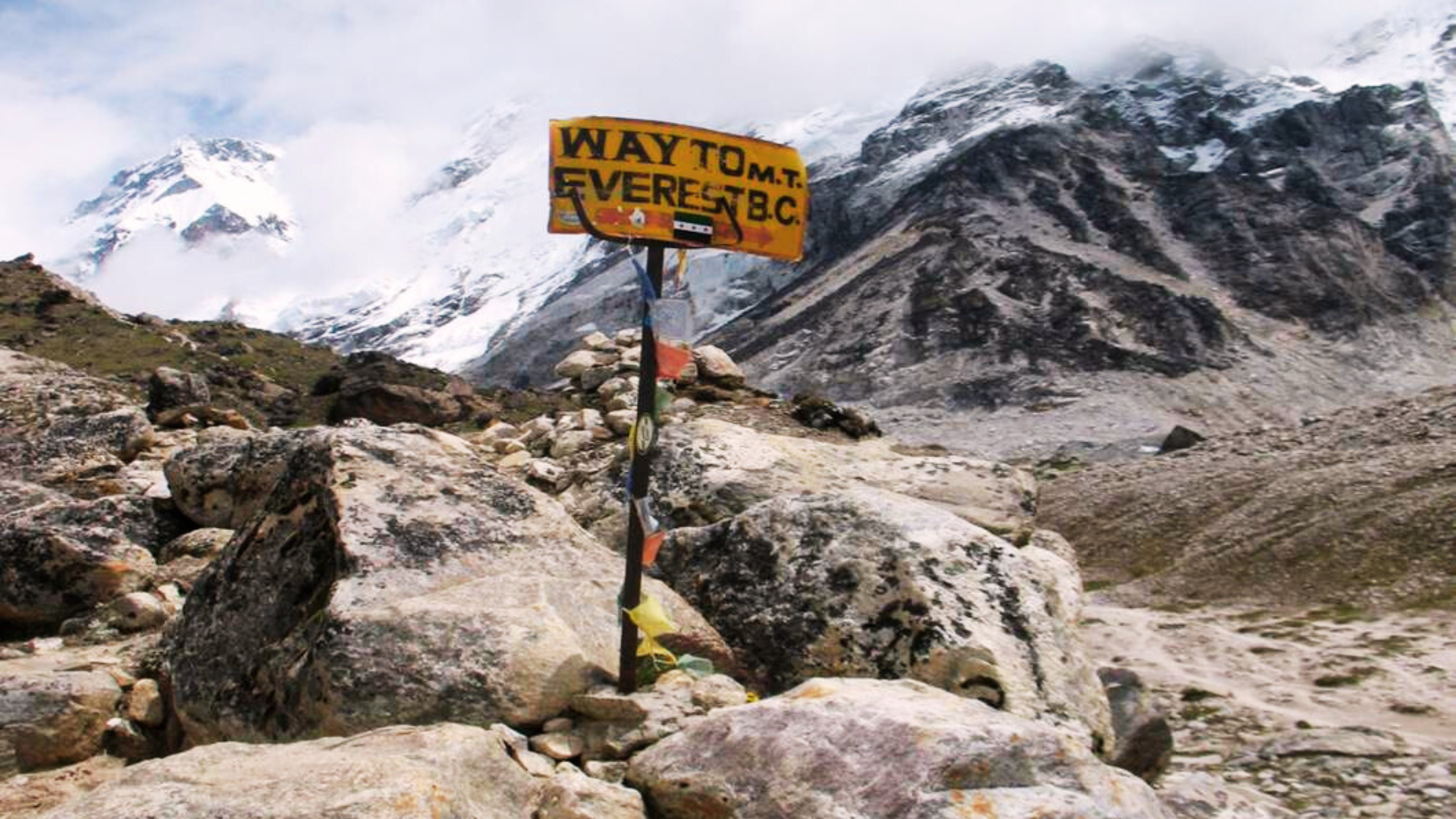
So, I made a quick, and what some might say, crazy, decision: I was going to trek to Everest Base Camp.
Now, at 54, looking back at my 40s feels like looking at absolute youth (LOL!). But the mental breakthroughs I had to make to stand at 17,500 feet apply even more to me today than they did back then.
If you want a little more adventure in your life, but that “voice” is trying to stop you, maybe what I learned will help you too.
The Decision: 20 Seconds of Insane Courage
When I knew I had made a committed decision, the doubts flew in. Am I fit enough? How will I train? What about my kids? What if my business dies… what if I do?
But there’s a line from one of my favorite movies, We Bought a Zoo, that perfectly captures what happened next:
“You know, sometimes all you need is twenty seconds of insane courage. Just literally twenty seconds of just embarrassing bravery. And I promise you, something great will come of it.”
That is how my adventure started. Not with a training plan. Not with the right gear. With a midnight decision fueled by a movie and a refusal to keep being comfortable.
You don’t need to have the next six months perfectly mapped out. You don’t need to know how you’ll handle high-altitude terrain just yet. All you need is 20 seconds to just decide. Really decide. Once the decision is made and the commitment is strong, everything else will find a way. You will figure it out.
You Are Not the Only One
In a piece by Chris Guillebeau on the Art of Nonconformity ,Nancy Liddle waited 40 years to fulfill her dream of walking the 850-kilometer Camino de Santiago in Spain. She did it at 56, relatively unfit, single, and having never walked more than 10 km in her life. Her advice?
“Just do it. As nervous as you feel about it, commit to it. And if you feel like retching after you make the choice, you certainly can.”
Getting Ready
And if you’re anything like me, following that decision comes the inevitable… yeah, but how?
Listen to Your Inner Voice and Trust Yourself
You wouldn’t be feeling this desire for adventure if it wasn’t already inside you somewhere. There is a deep, valid reason you are experiencing this inner prompting. Listen to it. You know yourself better than anyone else does. When I booked my trek to Everest, it didn’t have to make logical sense to anyone else—it just had to make sense to my soul. Trust that spark.
Dami Roelse understands this. Dami didn’t start long-distance trekking until after 50. She has since trekked thousands of miles across the Pacific Crest Trail, the Camino de Santiago, and Switzerland’s rugged trails. When asked about mental toughness, she put it this way in an article on The Trek:
“My mental training for the trail happened long, long ago. It happened when I gave birth to my children, or when I challenged high-risk youth who needed to drop their tough stance and learn to trust. It happened when I watched my life partner’s strength diminish in his terminal illness. Toughness lives deep inside me.”
If you have lived a full life—raised kids, built careers, survived loss, started over—you already have more mental toughness than you realize. The trail doesn’t require you to build it from scratch. It just asks you to remember it’s there.
Get a Support Team
You do not have to carry the weight of this journey alone. Tell the people who love you, find friends who want to train with you, and surround yourself with a tight-knit circle that will lift you up on the days you feel like doubting yourself. You only need one or two people who believe in you to make all the difference.
Train and Prepare
Confidence on the trail comes from physical preparation. Create a plan, start exactly where you are, and build your stamina step by step. When I decided to go, I hit our local Vancouver trails and stairs to get my body ready. You just follow the plan, knowing you can be flexible when you need to be.
The First Meltdown
The moments I almost quit didn’t happen on the trek. They happened during training, long before I ever got on a plane.
The first meltdown was on the Grouse Grind. The average person can hike it in about an hour and a half. I took an hour and 35 minutes. Less than average. I stood at the top and all I could think was: how am I ever going to trek to the base camp of the highest mountain in the world if I can’t even do this at an average pace?
My friend looked at me and asked: “What was our goal?”
My response: “To get to the top in an hour.”
His response: “No. The goal was to get to the top. And we did that.”
He was right. It didn’t matter how long it took. We got there. That one question completely reframed everything for me.
The Second Meltdown
The second meltdown came closer to departure. I had a total freak out that there was no way I was fit enough to do this. So I reached out to my previous personal trainer. I begged him for a session.
When I got to the gym, he asked what I was up to and why the urgency. I told him about my upcoming trek and that I was freaking out.
And before we ever lifted a weight, he said to me:
“Georgee, if I know anything about you, it is that you can do this. If you left tomorrow, you could do this.”
Sometimes having someone who knows your body and your determination—someone who has seen what you’re capable of—can reinstill confidence when that damn voice starts getting loud again.
Get Expert Guidance
You don’t have to figure out the plan alone. Seek out mentors, trainers, or local guides who have walked the path before you. They know the terrain, they know how to handle the unexpected detours (like mudslides or altitude), and their experience will relieve your anxiety about the unknown.
I knew I didn’t want to be in a big group because I was afraid of being the slowest. So I hired a local company in Kathmandu (Above The Himalaya Trekking) and booked a trip for just me and my friend. Do whatever you need to do to make it happen. It’s your dream—do it your way.
Once I got to Nepal, I never doubted. Not once. I was so excited to be there, to see the Himalayas, to know that I was having a dream come true moment. All of those meltdowns—the Grouse Grind, the trainer’s gym, the days of “what the heck are you doing?” —they happened before I ever left. The hardest part of this whole journey was the part you might be in right now. And I promise you, once you go, something else takes over entirely.
On the Trail: What Gets You Through When It Gets Hard
You’ve made the decision. You’ve trained. You’ve booked the trip. And now you’re on the trail and the real mental game begins. The physical challenge is real, and you need tools to keep going. These are the ones that kept me moving.
Give Yourself Permission to Go Slow
This isn’t a race; it’s an experience. And life’s greatest experiences are best savored, not rushed. Not to mention, if you are trekking at high altitudes, going slow is actually the smartest, safest pace you can keep.
During my trek, I was always the slowest person in my group. My friend who did the trek with me was 13 years younger, and his goal was to see how fast he could go and how far he could push his body. But I wasn’t there to race. I was there to just be, to have an in-the-moment experience. Give yourself permission to set your own pace.
Carolyn Robinson set her own pace too—at 80 years old. She became the oldest woman to trek to Everest Base Camp. And like me, she wasn’t a lifelong athlete. She told The CareSide:
“I’m not an adrenaline junkie. And I’m not an adventure seeker. My holidays consist of golfing trips and walking around a golf course. That’s the most energetic I normally get.”
She simply saw an invitation for a charity trek through her local Rotary Club, watched some YouTube videos, and trusted she could do it. When the altitude made every single step a massive physical challenge, she didn’t panic. She just dialed into a steady rhythm:
“I had to stop and rest, and I had to take breaths. I’d take a step, breathe, step, breathe. And that’s how I did it. But I put one foot in front of the other. That’s all it is. That’s life.”
Maintain Your Focus on What Is Truly Important
Remind yourself why you want to do this in the first place. Your true goal might be to have a dream come true moment that involves a grand adventure, a desire to shake yourself out of your comfort zone, or a need to prove to yourself what you are still capable of. It might not actually be the “summit.”
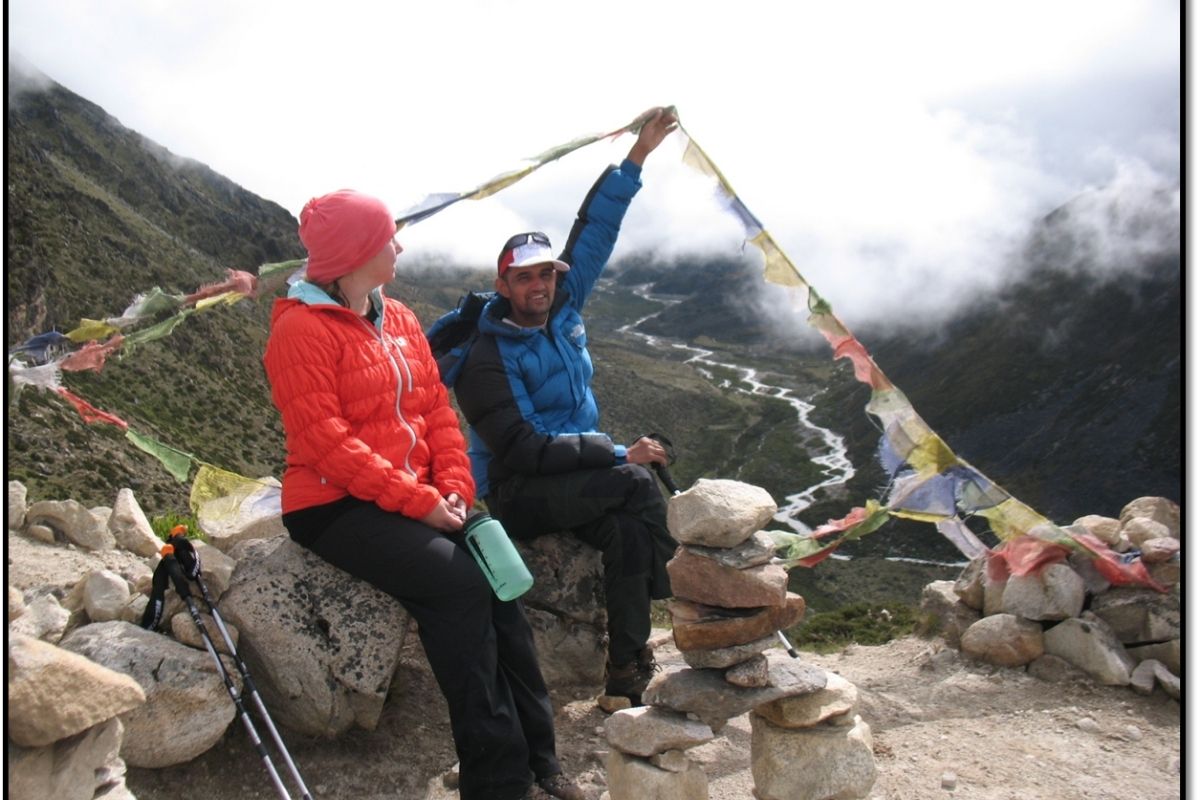
One of my absolute favorite moments of my first trek was an acclimatization day in the village of Pheriche. We had climbed to the top of a ridge, and I was just sitting there with my guide and my friend, eating a Coconut Crunchie cookie (they are only available in Nepal and they are so delicious!).
I remember looking around and thinking: If this is it. If we never make it to Base Camp, if this ridge is the entirety of my whole trip, I’m completely content. It was perfect. I was fully present, peaceful, and struck by the absolute awe, wonder, and beauty of nature, sitting in silence with two incredible humans. What more do I really need in life?
Keep your focus on those moments.
Take Things One Step at a Time
When you look at the whole mountain, it feels impossible. So don’t look at the whole mountain. Only worry about today. Focus on today’s training, today’s miles. And if today still feels like too much, simply focus on the very next step.
The hardest physical day of my entire trek was when we had to take a detour due to a mudslide. The guides had to clear a new path along a yak trail. My body was working harder than it had ever worked in my life. So I had my guide walk directly in front of me. I stopped looking at the trail ahead and just watched his feet. I planted my boots exactly in his footsteps and counted 1, 2, 3, 4 over and over again in my head until the rhythm took over and I felt better.
That is exactly how I got to Base Camp and back. And this is how you will complete your adventure: one simple step at a time.
The Gifts Are in the Journey
If you are waiting for the perfect time, or for the day you feel 100% fearless, you will be waiting forever. You don’t need a lifetime of hiking experience. There is no “best before date” to get started. Now is the perfect time.
Carolyn was 80. Dami started after 50. Nancy was 56 and had never walked more than 10 km. I was a non-hiker who didn’t own a pair of boots.
The trail has a beautiful way of stripping away our daily noise and showing us exactly who we are. All it takes is 20 seconds of courage to make the choice, trust your inner voice, and take that very first step.
Remember—the truest gifts are never waiting at the destination. They are found right here, on the journey.
Your Next Adventure Starts Here
If this article sparked something in you — even a small “what if” — I want to invite you to our free live webinar on July 30th: Trekking the Dolomites Alta Via 1 with Monika Becker.
Monika will walk you through exactly what it takes to trek one of the most beautiful routes in the Italy, including how to prepare, what to expect, and why this might inspire you to go on your first or next adventure.
No experience required. Just 20 seconds of courage to register.
